Dance Genre
Why Dance?
The British Association of Teachers of Dancing (B.A.T.D.) provides a diverse selection of dance genres designed to appeal to every interest and skill level. Our comprehensive syllabi, which range from introductory steps to advanced professional levels, ensure that every dancer finds value in their learning journey. Regardless of your previous experience, there is a dance genre within B.A.T.D. that will inspire and challenge you to grow.
We invite you to become a part of the B.A.T.D. family by joining a B.A.T.D. School near you.
Dance Genres List
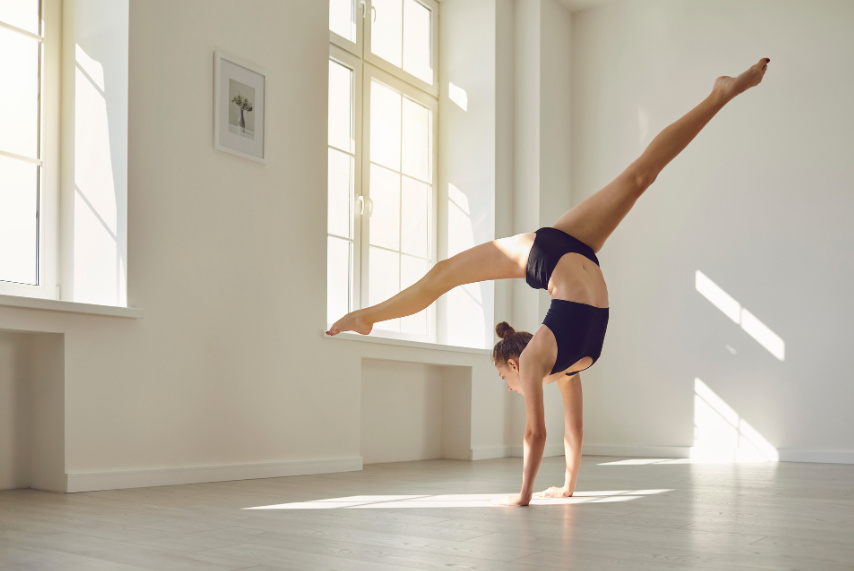
Acro/Gymnastic is the artistic use of acrobatic and tumbling skills. This is combined with dance and can be performed with apparatus, such as stairs, boxes, rings, and platforms. Acrobatic and tumbling skills are displayed in a rhythmic manner, most often with music.
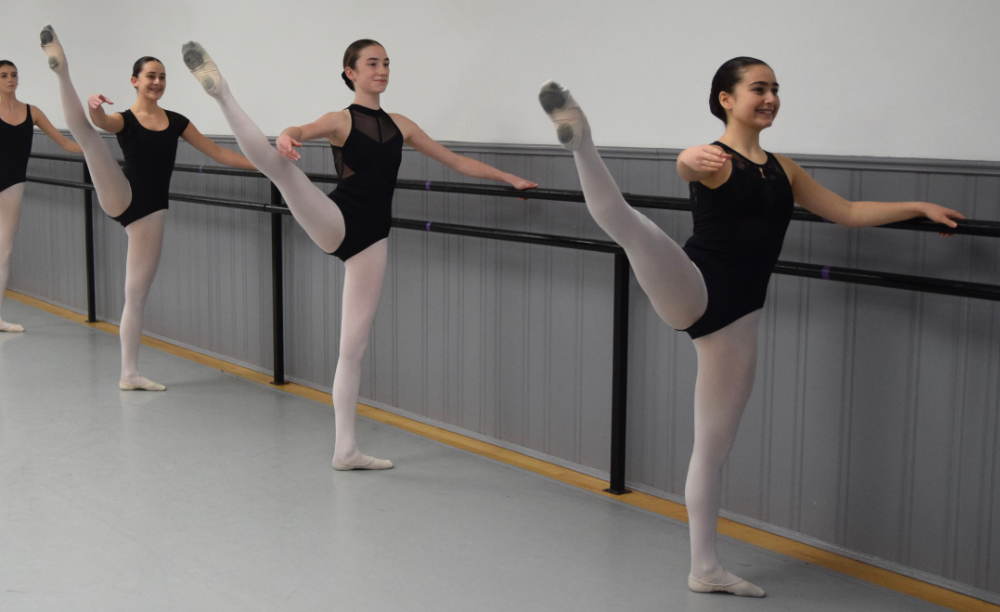
Ballet dance is a very formal, disciplined and classic dance form with specific terminology, technique and choreography. Ballet dance originated in 16th and 17th century French courts, and was further developed in England, Italy, and Russia as a concert dance form. There are many methods of teaching Ballet - Cecchetti, Vaganova, French and Balanchine to name a few.
Ballet education is taught in a systematic way, with the understanding of the basic principles and the quality execution of such. Musicality, technical facility, coordination, and dedication all contribute to the qualities of a Ballet Dancer. Ballet dance is typically performed to classical music; however it has developed through time to include a more contemporary style. It is taught in Ballet dance schools and studios around the world, with students ranging in age from toddlers to adults. Classes consist of Barre, Centre Floor, Adage, Petite Allegro, Grand Allegro, Choreography, Cool Down and Reverence.
In order to become proficient at Ballet dance, one must be extremely dedicated to the art and diligent in regard to practice and rehearsal time.
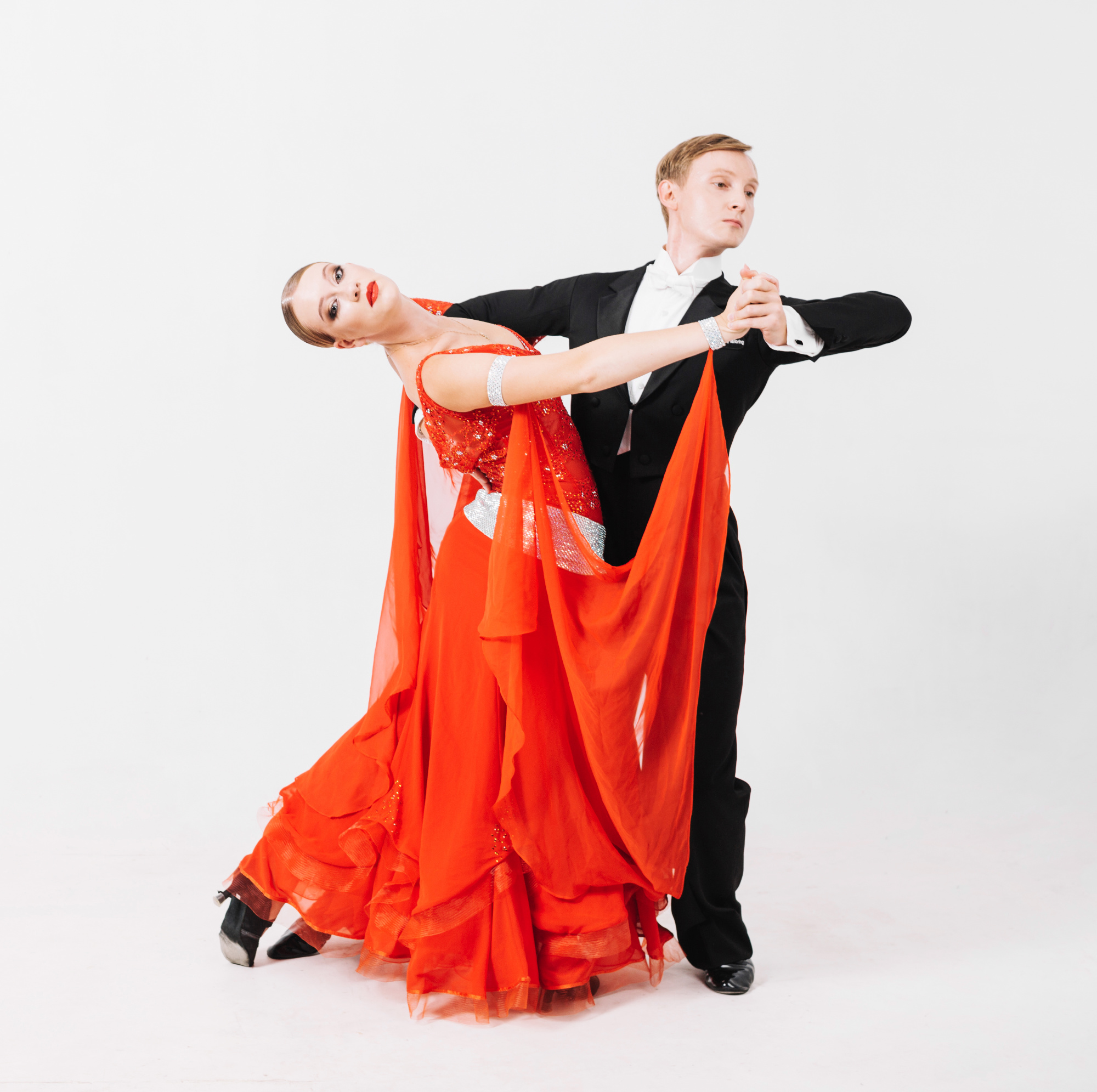
The Ballroom dances are the five standard: Waltz, Foxtrot, Tango, Quickstep, Viennese Waltz. They each have a particular technique with set steps in the basic construction and those who wish to study for professional teaching qualifications can obtain the syllabi and technique books from Head Office.
Over the years, these dances have been danced by millions of people for social events, competitions and championships to World class level. They have been covered by many British television programmes, most recently the phenomenally popular “Strictly Come Dancing” and dance programmes are now produced throughout the world. Dance schools generally run classes for children and adults. People can dance for enjoyment, to keep fit, take medal tests or to compete.
The Classical section, originally known as Old Time, changed it's name a few years ago to take it forward into the twenty-first century. There are many dances in each of the five sections, each dance made up of a sixteen bar routine, which is danced in a circle around the ballroom with everyone dancing the same steps at the same time.
The dances are Waltzes, Tangos, Saunters, Two-Steps, Gavottes and Glides. Some of the famous routines include the Veleta, Britannia Saunter, Boston Two-Step and Lilac Waltz. Again, medals and professional exams can be taken (each dance has its own technical script) and many competitions and championships are run in the UK for children to adults.
The Club Latino dances are the Mambo, Salsa and Merengue. The change in music from Latin America has brought fast upbeat tempos, moves and spins for both leader and follower and these have made this form of dance very popular with the younger generation.
The dances involve subtle hand leads and fast foot moves but still retain a relaxed feel and are exciting to do and watch. Competitions take place up to World level in some of the dances and medals and professional exams can be taken in this branch. Syllabi and technique books are available from Head Office. Along with the Ballroom and Latin, some of these dances are used in the television show “Strictly Come Dancing”, which has now become the Ballroom branch’s shop window to entice the general public to take up dancing.
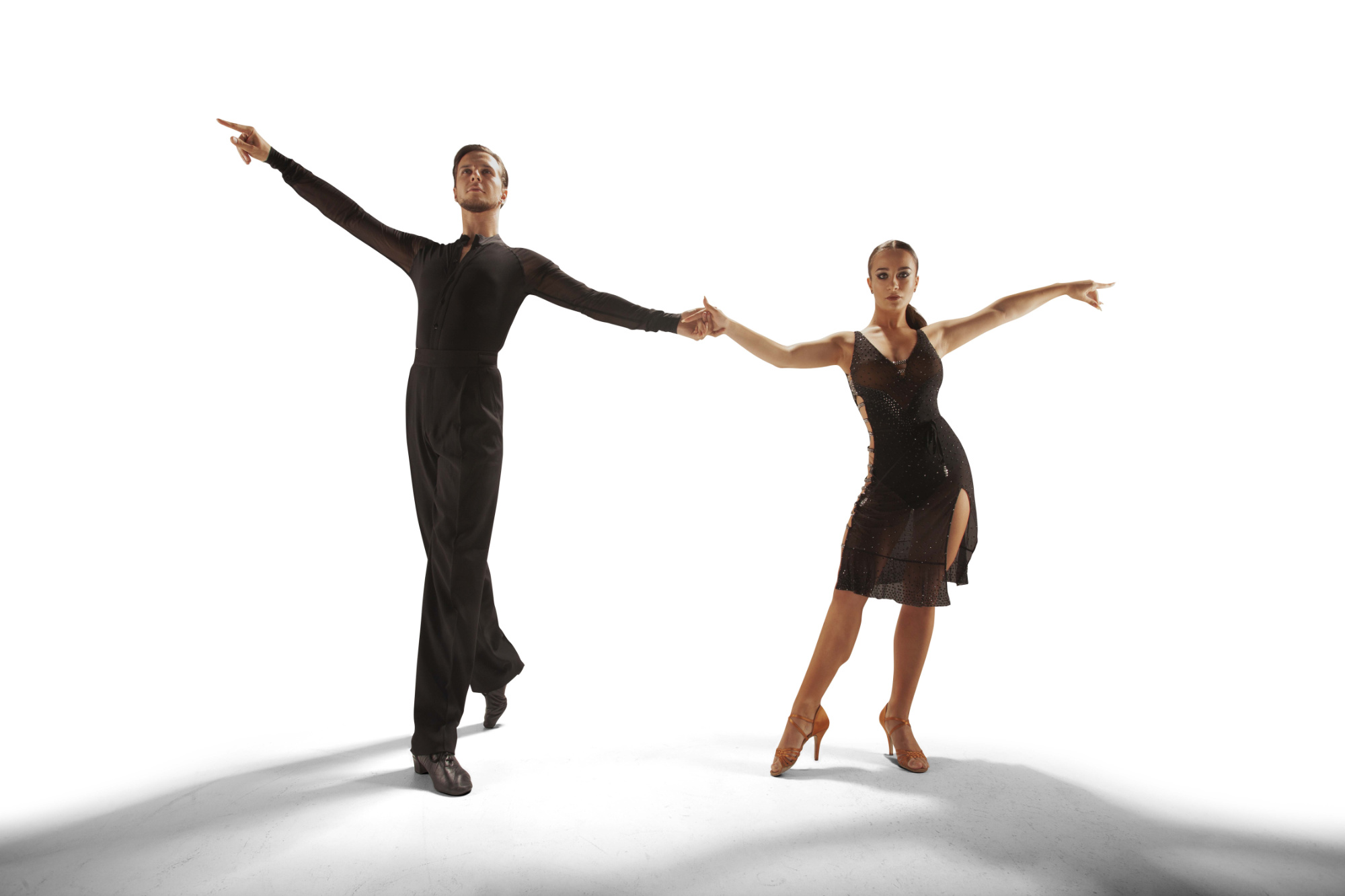
The principal Latin dances include the Rumba, Samba, Cha Cha Cha, Paso Doble, and Jive. These dances are renowned for their dynamic musical accompaniment and varied tempos. Comprehensive technique manuals are available for individuals interested in pursuing teaching qualifications. In Latin dance, step patterns may differ, and partners do not always perform mirror-image movements.
Latin dances typically feature close and engaging partner interactions, with variations in intensity and style. The spectrum of Latin dance encompasses both rapid, high-energy routines and slower, more sensual performances.
Participants engage in Latin dance for fitness, social enjoyment, or competitive purposes from amateur levels to prestigious international stages. Detailed syllabi and instructional resources can be obtained by contacting the Head Office.
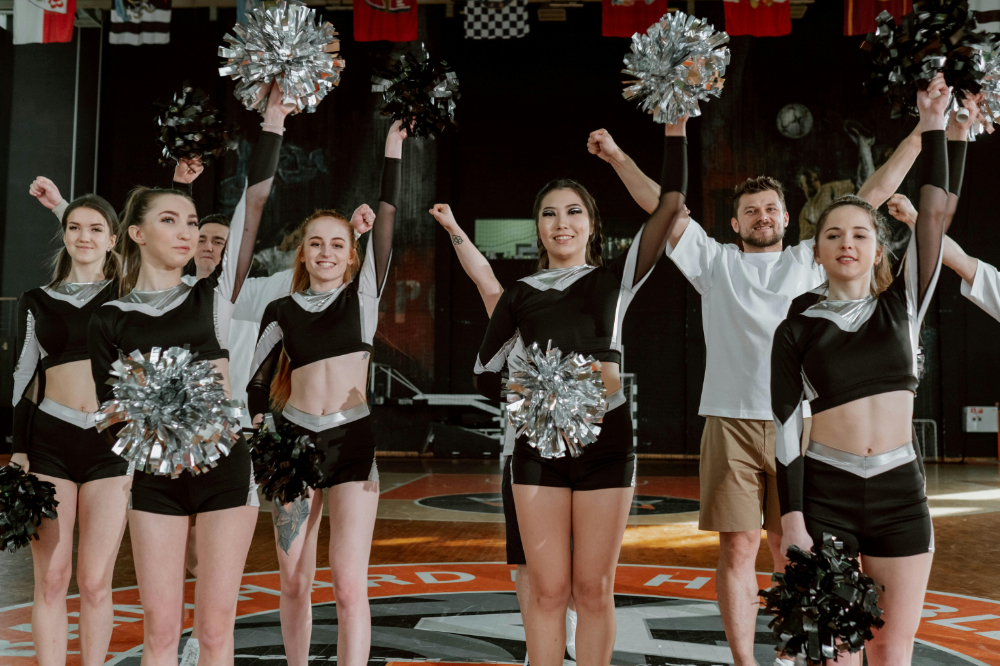
The focus in this dance genre is on lines, formations, cheerleading jumps, sharp staccato arm movements and form. It may contain tumbling, with both male and female participants, and influences of hip-hop and jazz techniques, commonly used by professional cheerleaders in the NFL and NBA. Cheerleading has the specific intent to direct audience participation in cheering for a specific team; however cheerleading competition is based upon organized routines which ranges from intense physical activity to the sideline activity of chants and cheers with poms.
Cheerleading originated in the USA, with approximately 1.5 million participants in all-star cheerleading. It gained its’ International and Worldwide audience with the release of several movies and the broadcasting of the College, and All Star Cheerleading competitions. There are now estimated to be over 100,000 participants around the globe.
Grab your Poms and lets Cheer!
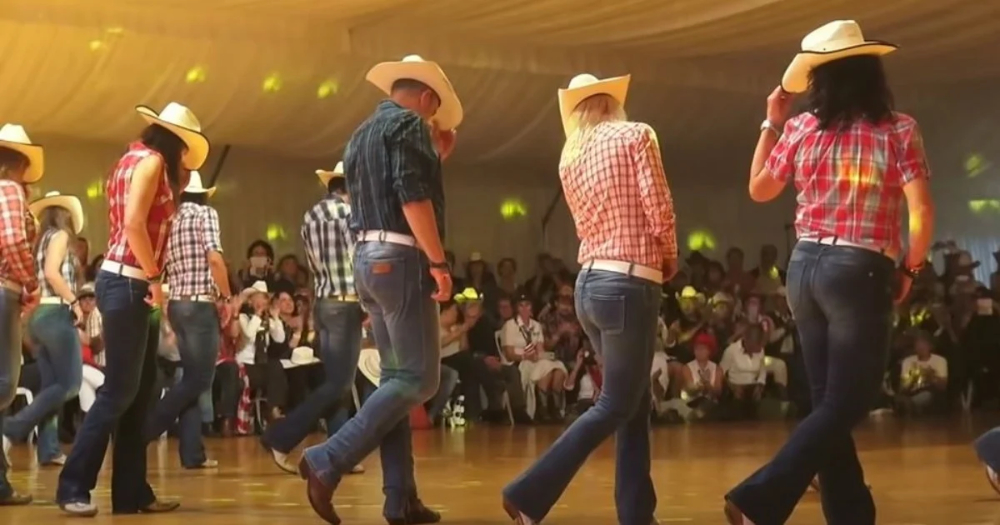
Country Western Line Dancing is an individual performance art form. Today’s Country Western dance has evolved from Square Dancing, Jazz, Ballroom, Freestyle, Swing, Rock n’Roll and pure Country. Music used nowadays is very varied from traditional Country songs/singers to current chart hits. Come and Join us for a Line Dance class near you!
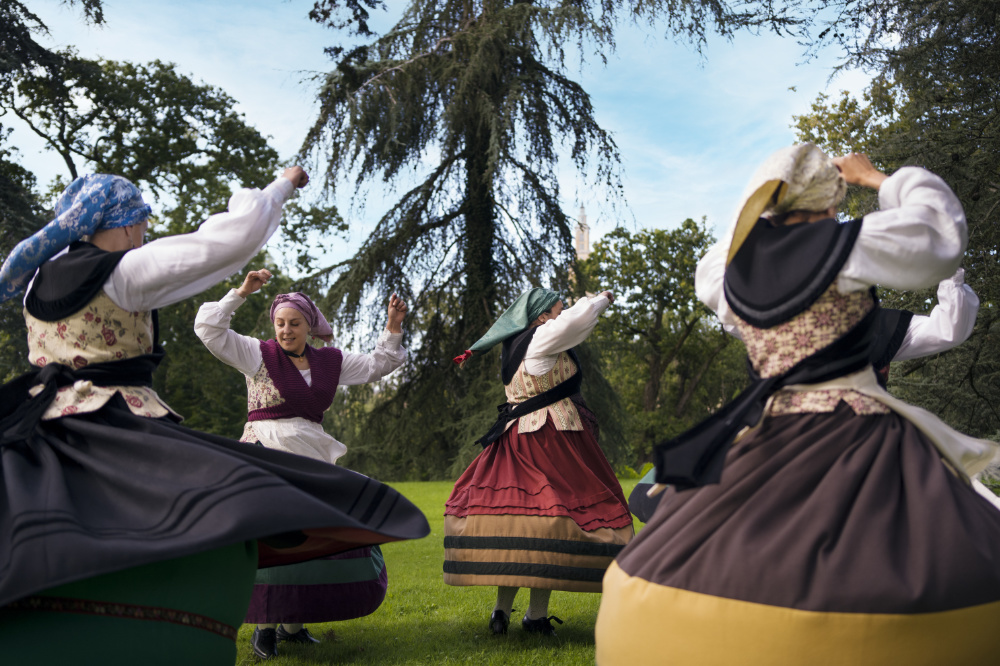
European National Dance characteristics are derived from many factors - Music, Costume, Customs and Religions, Traditional steps, and styles. It is an activity in which many members of society can take part from the experienced to beginner and includes all age groups. Folk dancing creates an understanding between the social values, cultural influence and education of each regional group.
The European National Dance Syllabus tries to give teachers and students an insight into the many and various styles, steps and patterns of Europe and hopefully encourage further study in areas where a particular interest is found.
European National Dance provides the basis for most types of dance performed today- from Classical Ballet to Modern dance. It is the heritage of us all and opens the boundaries of the world. We hope you enjoy!
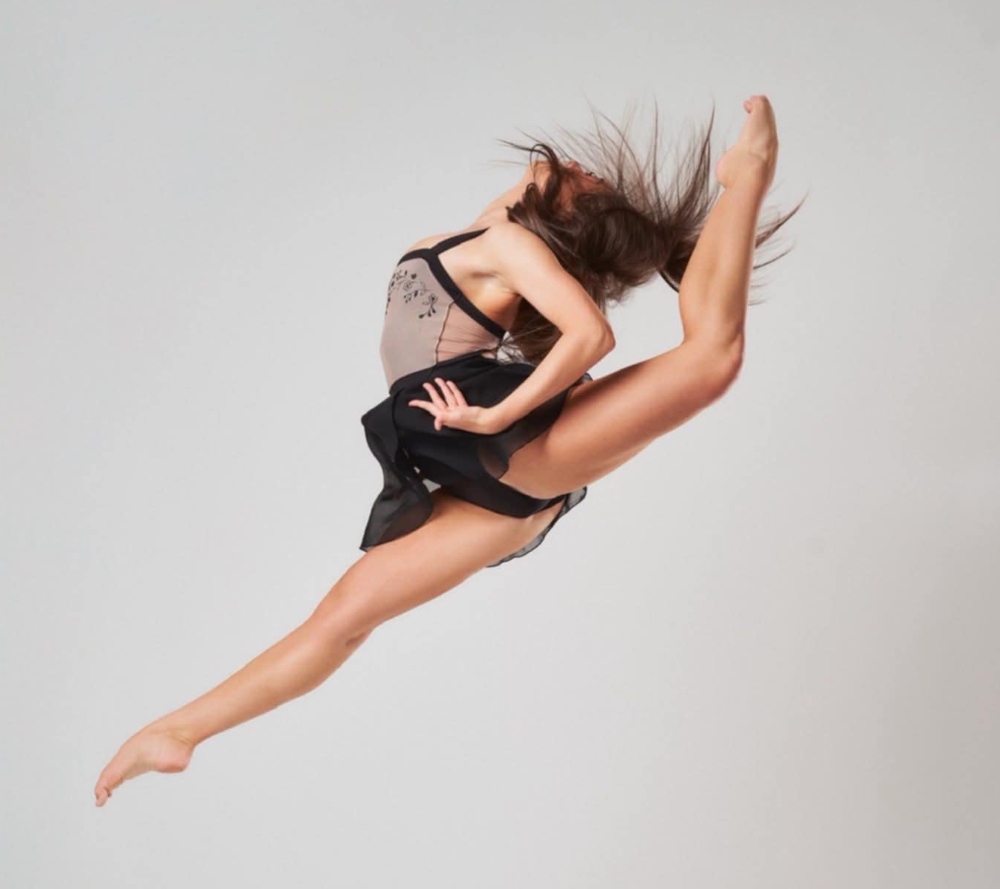
Freestyle dance incorporates many genres of dance, which evolve with the current music trends. It can be very physical and high energy or slow and expressive, and can be performed solo or with a partner. Steps and movements most associated with Freestyle are spins, kicks, leaps, runs and slick arm and head actions. To be a good Freestyle dancer self expression combined with flexibility and stamina are essential.
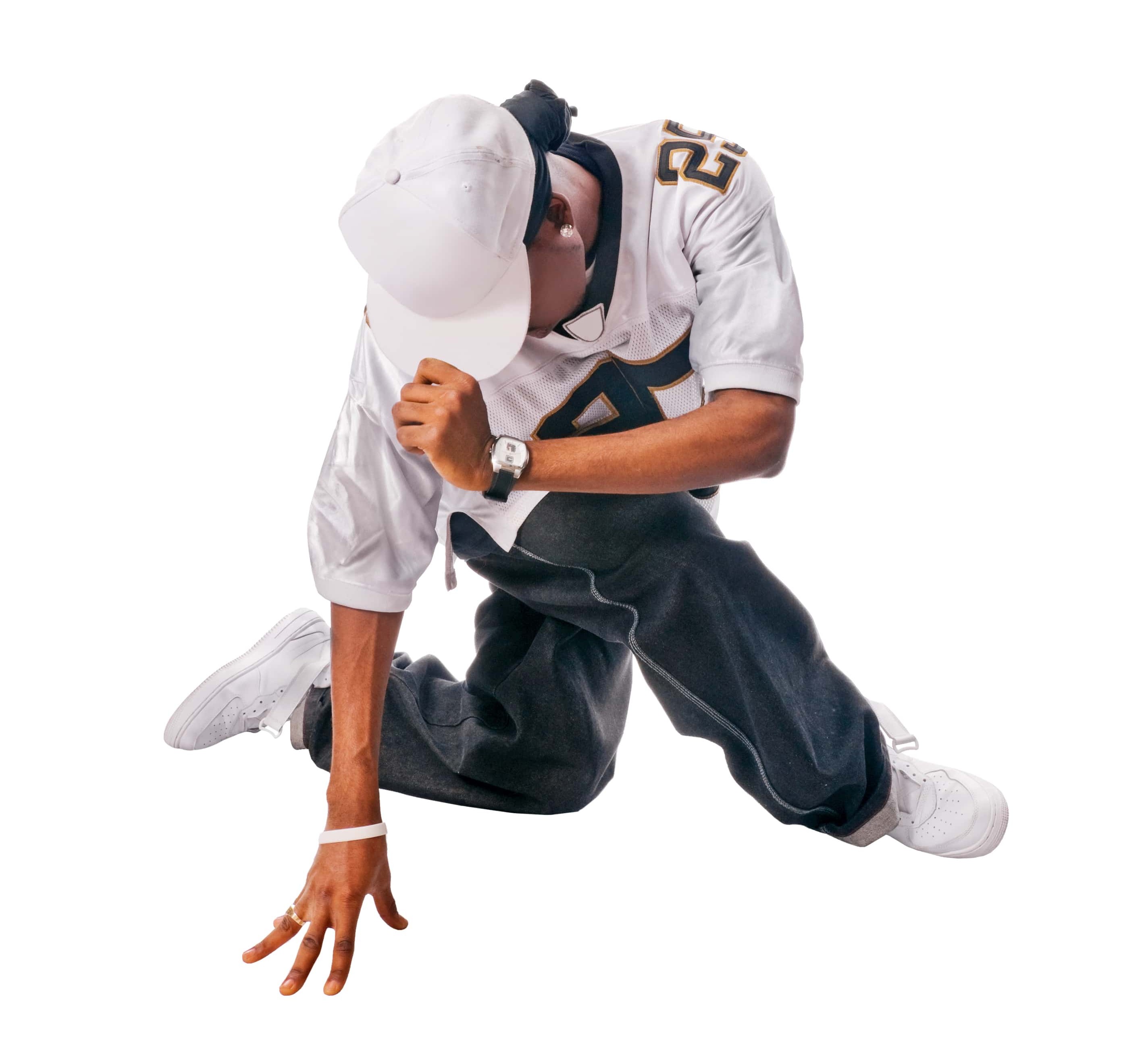
Hip Hop, Street, Breaking, Poppin, Locking, Gliding, Ticking, Krumping all styles of dance that constantly evolve, cross cultural boundaries and welcome innovation and imagination.
Hip Hop represents a cultural movement from the city streets to the dance institutions and is now considered a legitimate dance form. It takes its place among Jazz, Ballet, Tap and Ballroom. It is an energetic dance style that evolved with the hip hop music scene back to the 70’s. From the Streets of New York to California, young people developed a style of dance to the popular music of the day that involved beat boxing (a form of music including raps and sounds with the hands and mouth). Hip Hop has grown and survived and is still evolving today with its gravity-defying moves, freestyle forms and shapes, and the infamous battles between dancers, and clubs, around the world.
Popular movies such as Step Up, Step Up 2, Beat Street, Breakin and 8 Mile, as well as SYTYCD have moved Hip Hop into a dance form that is exciting, invigorating and in a class of its own. Find a class near you!
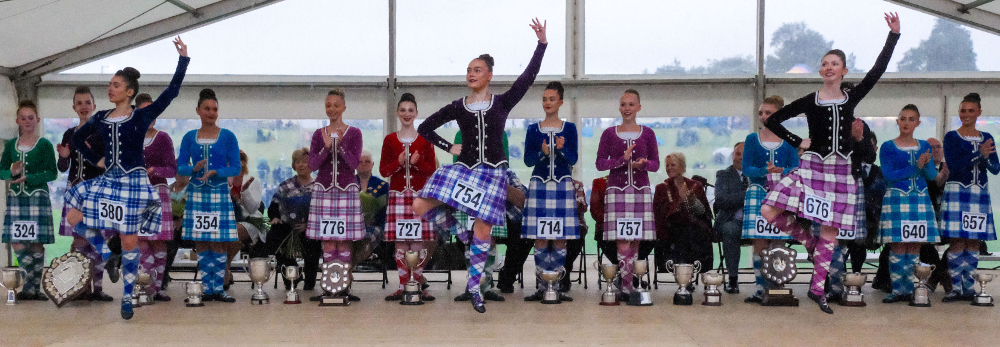
Highland Dancing, which requires the endurance and strength of an athlete and the artistry of a dancer, is the traditional solo dancing of Scotland. In the past, Scottish regiments used Highland Dancing as exercise to keep the troops in shape, and ready for battle. Today, Highland Dancing is one of the premiere events at Highland Games throughout the world in Scotland, England, Northern Ireland, mainland Europe, USA, Canada, South Africa, Australia, New Zealand and Japan. In order to be a successful competitive dancer, students require many hours of practice and study over a number of years. Students train mainly in 4 Highland dances, namely, the Highland Fling, the Sword Dance, the Seann Triubhas and the Strathspey & Reel—all of which are performed in the traditional kilt. Scottish Highland Dancing is regarded as being one of the most sophisticated forms of national dancing in the world. It is almost impossible for dance historians to separate fact from fiction, but the following descriptions are the most credible!
Together with the Sword Dance, the Highland Fling is probably the most famous of the Scottish Highland Dances. Tullochgorm was the earliest form of Highland Fling, but towards the end of the 18th century it had undergone changes and improvements. It is thought to have evolved about 1790, when legend has it that a shepherd boy on a hillside watched stags rearing and wheeling. The boy tried to copy the stag’s antics and hence we have the graceful curve of the hands and arms depicting the stag’s antlers. The dance should be danced on the same spot throughout, because clansmen traditionally danced on their targes (leather covered studded shield).
The Sword Dance originated in 1054, when Malcolm Canmore crossed his sword over the sword of his slain opponent, symbolizing the sign of the Cross, and danced over them in exultation. After that, the dance would be performed before a battle. If the sword was touched it was deemed to be a bad omen! Before 1850, the steps were danced clockwise round the sword, not anti-clockwise as they are nowadays.
Said to reflect the Highlanders contempt at having to wear trousers when the kilt was prohibited after the 1745 rebellion. The Act of Proscription in 1746 banned the wearing of Highland dress, the carrying of arms and the playing of bagpipes. In other words, the dance originated as a political protest. The slow tempo shows the dancers attempt to shake off the offending garment and the fast tempo shows the pleasure at the rescinding of the ban in 1782. Many of the movements are balletic and are influenced by French style of embellishments, such as pirouettes.
Very little reliable information is known about the origin of Strathspeys and Reels, but they are known to have been danced towards the end of the 17th century and Jacobite days. The slow movement is thought by many to be a mourning dance following the path of the river “Strath” in the valley of the “Spey”. The Highland Reel is a quicker and livelier form of the Strathspey and was known to have been taught from about 1740.
The Highland Recreational Exam was brought into use at the 117th Annual Conference in 2009. The Syllabus was created to benefit candidates who weren’t quite ready for a Full Medal Test. The Syllabus is available from Head Office, or via the online Shop. Please note you will need to be signed up for the website in order to to access the Shop area of the site.
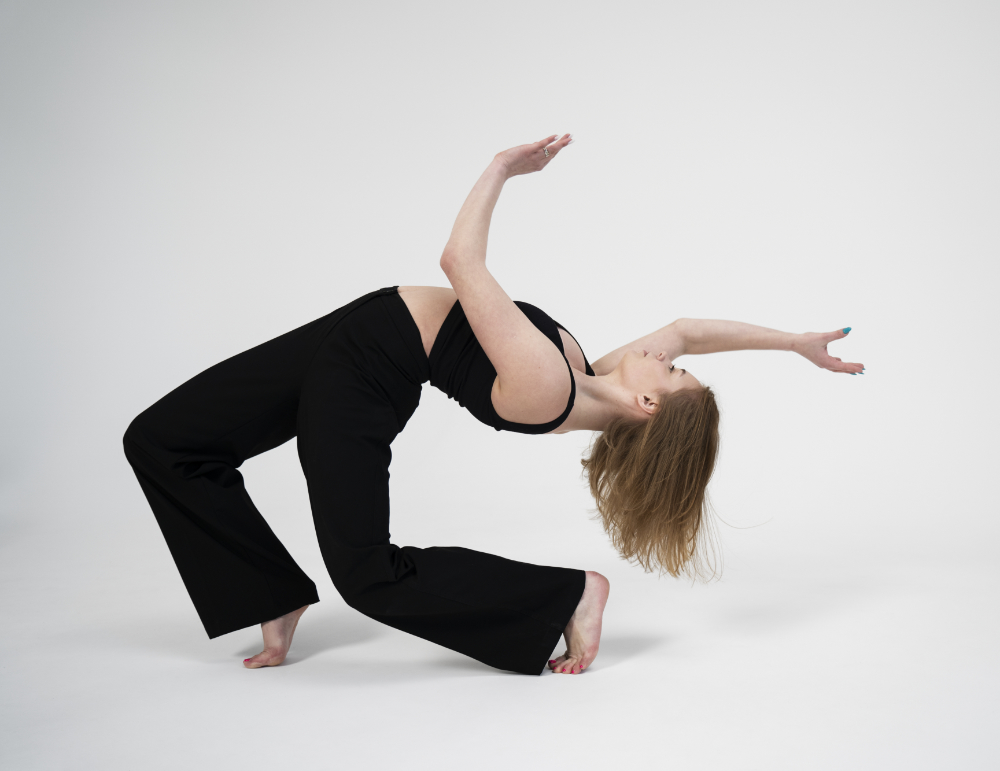
Jazz Dance is a rhythmic stylized dance form with roots in America. Jazz is a blend of traditions in which the European influence of elegance and the African influence of rhythmic propulsion results in an energetic and exhilarating class of rhythmic and dynamic movement. Jazz technique borrows from classical Ballet and Modern dance, blending other varied techniques such as folk dance, African traditional dance and musical styles of past and present, even social and cultural influences all make up the style and energy of Jazz.
Classic Jazz, Afro-Cuban, Lyrical, Contemporary, Musical Theatre, Blues and Funk are just some of the styles of Jazz Dance. With the musical influence of Boogie, Disco, Techno, Ragtime and the popular music trends, Jazz dance is both motivational and ever evolving.
The class itself is comprised of movement to music learning rhythms, styles of dance, technique, social interaction, discovering the body and creativity. With guidance, dance and music appreciation, discipline and class participation are taught.
The BATD grade work is broken down into Barre, Centre and Floor Work progressing through Isolations and Creative Movement. Starting with a basic warm-up, progressing through proper flexibility and strengthening and stretching work the student will learn body awareness. The student will then move through dance skills/movements to develop Jazz technique and style. Throughout the class the steps and movements are then placed into choreography that can be used in class routines and performance opportunities.
This style of dance blends the sustained controlled movement of Ballet with freedom, power, and dynamics of Jazz and Modern dance. Lyrical is a fusion of Ballet and Jazz, with expressive motions that tell a story. Movements that flow seamlessly from one to the other, held and suspended, connecting motion and emotion.
Lyrical Dance is usually performed to music with lyrics, which leads it’s choreography to show inspiration, emotions, fluidity between the accents and silence in the song.
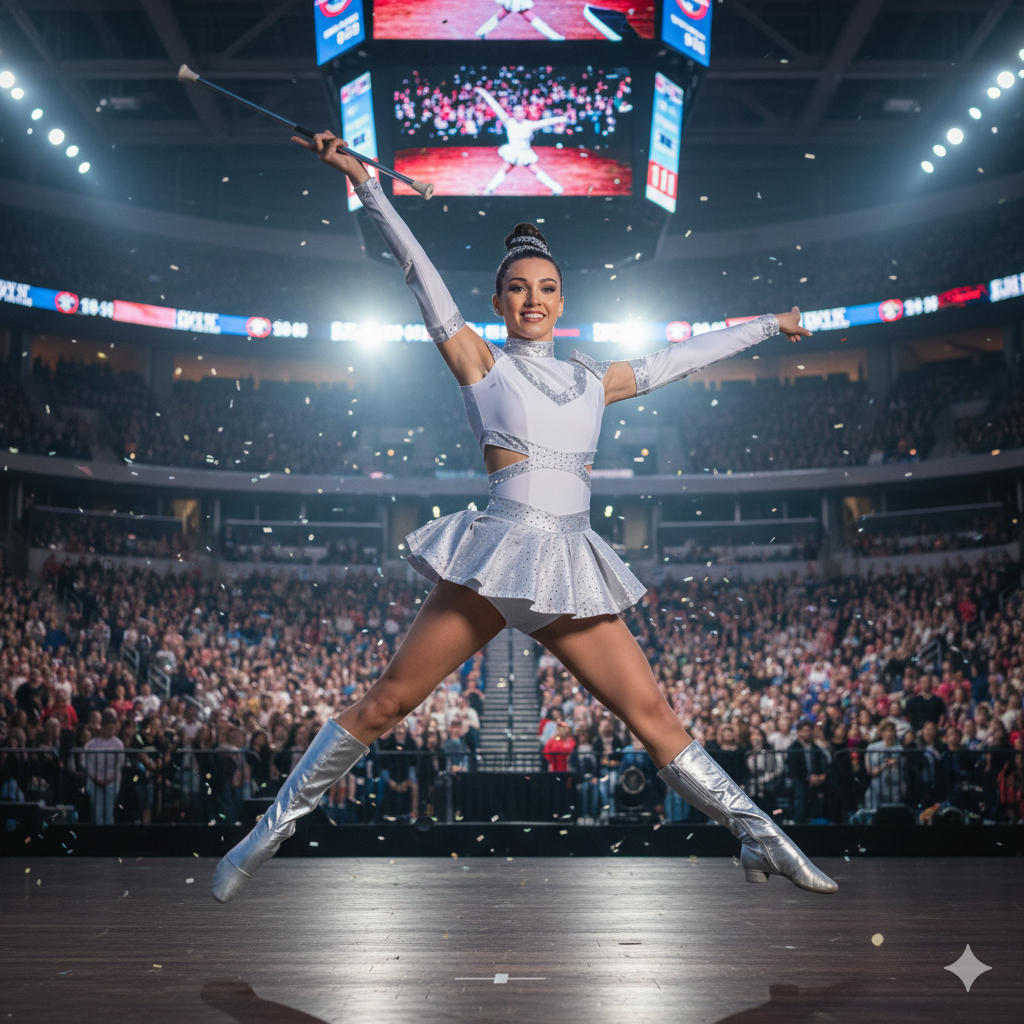
Majorette, or perhaps more accurately Baton Twirling, teaches dexterity and does not favour either the right or left handed student, as most twirls must be mastered using both hands.
Good posture and good flexibility in the wrists and fingers are key to a good performance. Footwork must also be co-ordinated with twirls.
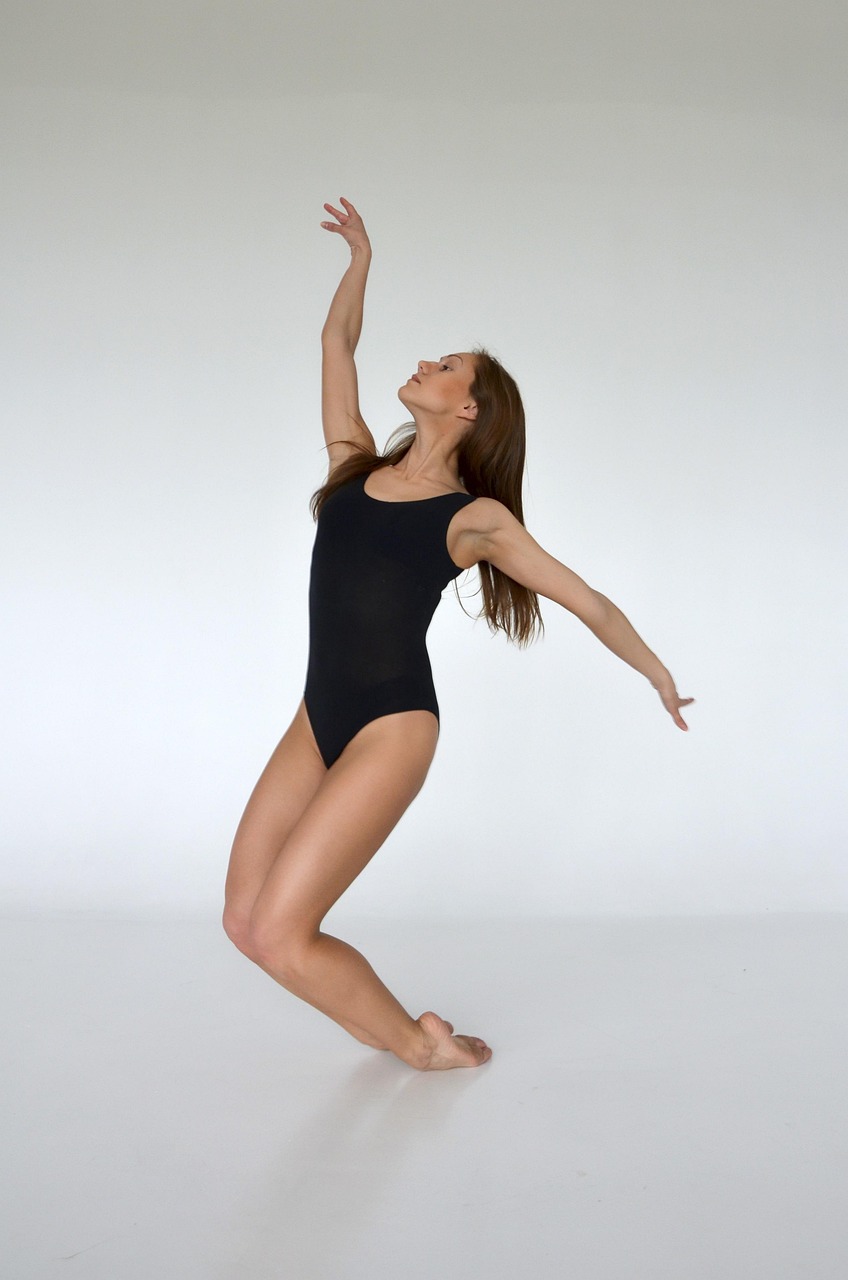
Modern Dance is a subject that is related to both Ballet and Jazz and which develops different movements and styles to a varied choice of music. The dancers learn how to create “lines” and to dance with breadth, freedom of movement and emotion. The work is based upon the use of contraction and relaxation, lots of “accents” and the dimensions of dance. The grade work is broken down into sections: Barre, Floor, Centre & Creative. The first three sections have been designed with a view to gradually build up the dancers strength and suppleness, to gain a sound technique that can work hand in hand with other genres of dance and help form an all round dancer. The creative section is where the dancer is encouraged to explore and develop their own style and musical interpretation… time to really shine!
With its freedom of movement and such varied styles from lyrical to funky to commercial… Modern Dance is such great fun!
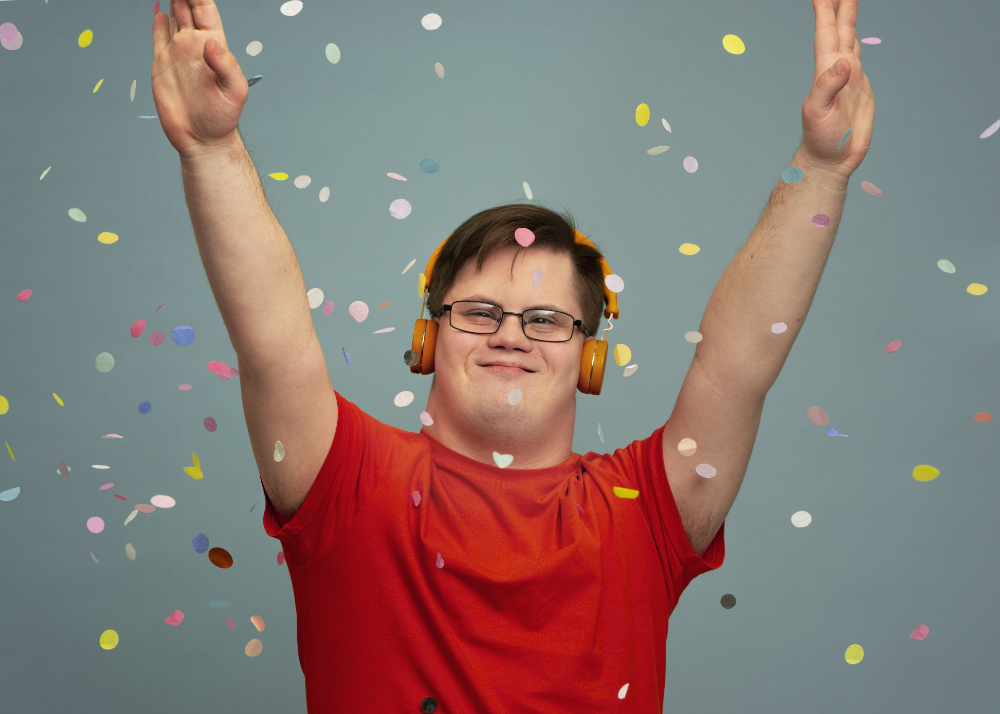
Our syllabus has been specifically designed, to explore dance, movement and performance for students with additional needs. This syllabus works with students who have full mobility, limited mobility and also students in wheelchairs.
The students are able to study, and obtain an accredited qualification in all subjects.
In many different ways, teachers are required to adapt their thought processes, teaching techniques, and abilities to show the strengths and passion of this group of amazing students.
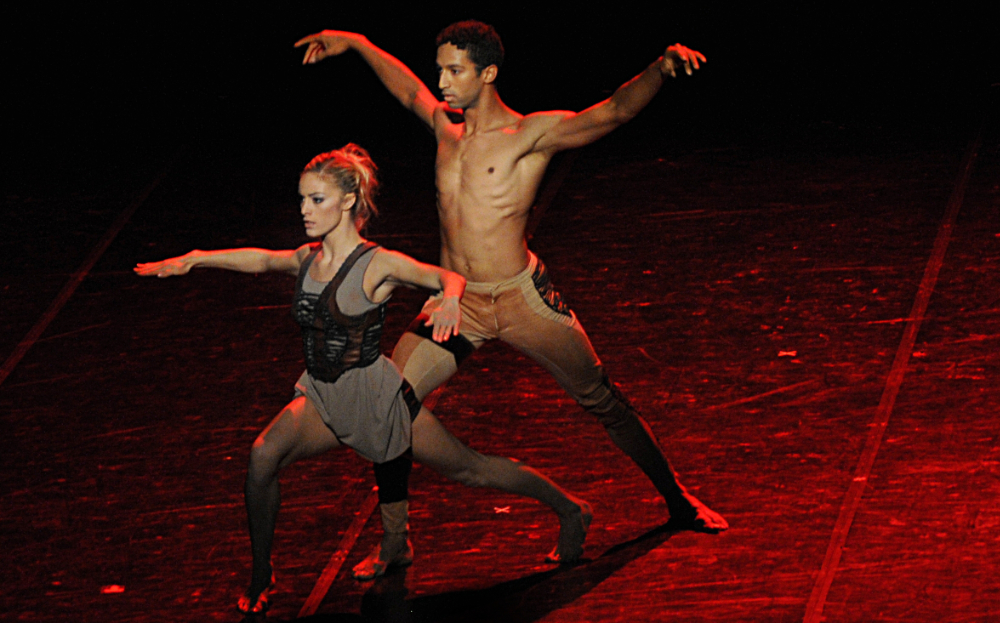
Dance with the B.A.T.D. provides an exciting and enriching environment in which all younger dancers can develop and thrive. Imagine how you’ll feel experiencing class-leading performances covering the full spectrum of all genres.
The Stage Examination includes, Tap, Stage, Modern, Limbering and Musicality. Find a Class near you!
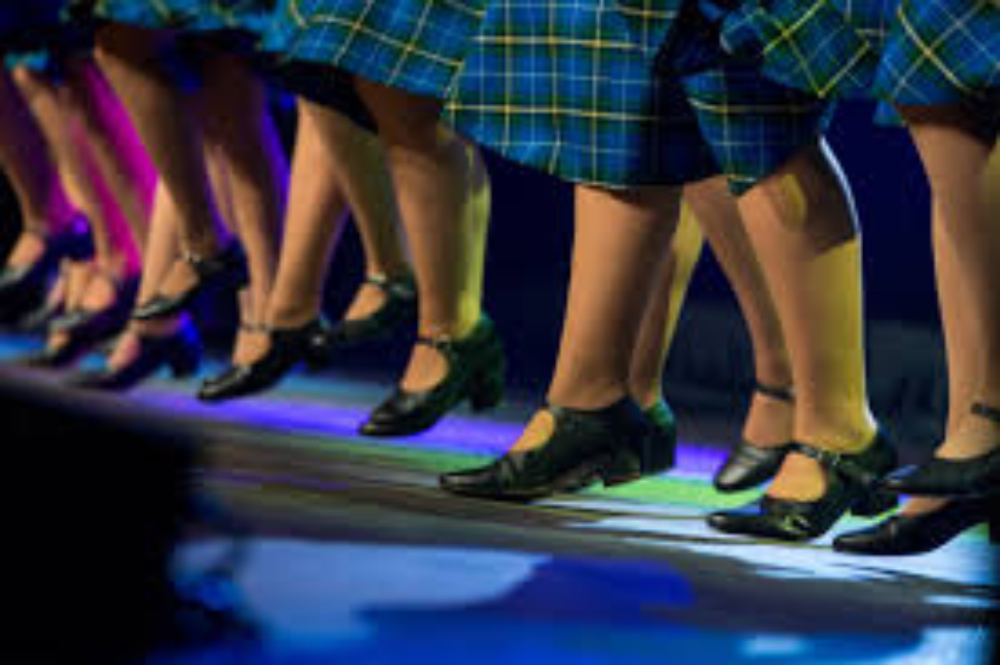
Traditional Step dance is an old Celtic dance form and the root of Tap Dance. It is traditionally performed to fiddle and/or pipe music and sometimes mouth music. Reels, Jigs, Strathspeys and Clogs are the most common musical forms. Originally, hard soled shoes were worn but now metal clickers are more commonly attached to the soles of shoes. The dancer makes complex rhythms, either matching or in counterpoint to the rhythm of the music. At one time, the area in which a dancer lived could be told by the style of the movements. Gradually the styles have melded or changed as populations moved. Dancers saw new steps and movements performed by other dancers and then copied them, but with a slight change to make it blend more with their own style.
Although now it is more of a solo dance form, sometimes with a set choreography, it was originally done as a group, in sets, with individual dancers occasionally breaking from the set to do a short solo step. Sometimes the dancers attempted to outdo one another, to the wild applause and encouragement of the rest of the group.
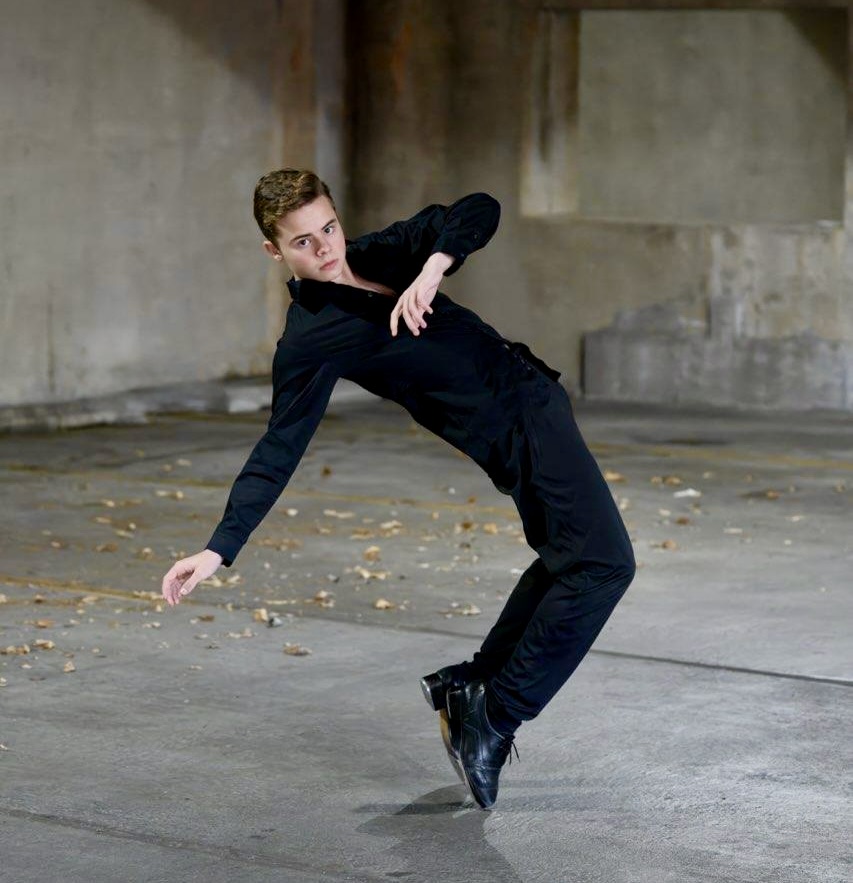
Tap originated in the United States, through the fusion of several ethnic percussive dances, primarily African tribal dances and Scottish, Irish, and English clog dances, hornpipes, and jigs. Until the last few decades of the 20th century, it was believed that African slaves and Irish indentured servants had observed each other’s dances on Southern plantations and that Tap dancing was born from this contact.
Tap is an exciting form of dance in which dancers wear special shoes equipped with metal Taps. Tap dancers use their feet like drums to create rhythmic patterns and timely beats. The term “tap dancing” is derived from the tapping sound produced when the small metal plates on the dancer’s shoes touch a hard floor or surface.
A common style of Tap dancing is called “classical Tap.” Classical tappers use their arms and upper bodies to blend movements of ballet or jazz into their Tap routines. “Hoofers” try to use every part of their shoes to make their feet sound like drums.
Acro/Gymnastic is the artistic use of acrobatic and tumbling skills. This is combined with dance and can be performed with apparatus, such stairs, box, rings, and platforms. Acrobatic and tumbling skills are displayed in a rhythmic manner most often with music.
Our syllabus has been specifically designed, to explore dance, movement and performance for students with additional needs. This syllabus works with students who have full mobility, limited mobility and also students in wheelchairs.
The students are able to study, and obtain an accredited qualification in all subjects.
In many different ways, teachers are required to adapt their thought processes, teaching techniques, and abilities to show the strengths and passion of this group of amazing students.
Ballet dance is a very formal, disciplined and classic dance form with specific terminology, technique and choreography. Ballet dance originated in 16th and 17th century French courts, and was further developed in England, Italy, and Russia as a concert dance form. There are many methods of teaching Ballet, Cecchetti, Vaganova, French, Balanchine to name a few.
Ballet education is taught in a systematic way with the understanding of the basic principles and the quality execution of such. Musicality, technical facility, coordination, and dedication all contribute to the qualities of a Ballet Dancer. Ballet dance is typically performed to classical music; however it has developed through time to include a more contemporary style. It is taught in ballet dance schools and studios around the world, with students ranging in age from toddlers to adults. Classes consist of Barre, Centre Floor, Adage, Petite Allegro, Grand Allegro, Choreography, Cool Down and Reverence.
In order to become proficient at ballet dance, one must be extremely dedicated to the art and diligent in regard to practice and rehearsal time.
The Ballroom dances are the five standard: Waltz, Foxtrot, Tango, Quickstep, Viennese Waltz. They each have a particular technique with set steps in the basic construction and those who wish to study for professional teaching qualifications can obtain the syllabi and technique books from Head Office.
Over the years, these dances have been danced by millions of people for social events, competitions and championships to world class level. They have been covered by many British television programmes, most recently the phenomenally popular “Strictly Come Dancing” and dance programmes are now produced throughout the world. Dance schools generally run classes for children and adults. People can dance for enjoyment, to keep fit, take medal tests or to compete.
The Classical section, originally known as Old Time, changed name a few years ago to take it forward into the twenty-first century. There are many dances in each of the five sections, each dance made up of a sixteen bar routine which is danced in a circle around the ballroom with everyone dancing the same steps at the same time.
The dances are Waltzes, Tangos, Saunters, Two-Steps, Gavottes and Glides. Some of the famous routines include the Veleta, Britannia Saunter, Boston Two-Step and Lilac Waltz. Again, medals and professional exams can be taken (each dance has its own technical script) and many competitions and championships are run in the UK for children to adults.
The Club Latino dances are the Mambo, Salsa and Merengue. The change in music from Latin America has brought fast upbeat tempos, moves and spins for both leader and follower and these have made this form of dance very popular with the younger generation.
The dances involve subtle hand leads and fast foot moves but still retain a relaxed feel and are exciting to do and watch. Competitions take place up to world level in some of the dances and medals and professional exams can be taken in this branch. Syllabi and technique books are available from Head Office. Along with the Ballroom and Latin, some of these dances are used in the television show “Strictly Come Dancing”, which has now become the ballroom branch’s shop window to entice the general public to take up dancing.
The principal Latin dances include the Rumba, Samba, Cha Cha Cha, Paso Doble, and Jive. These dances are renowned for their dynamic musical accompaniment and varied tempos. Comprehensive technique manuals are available for individuals interested in pursuing teaching qualifications. In Latin dance, step patterns may differ, and partners do not always perform mirror-image movements.
Latin dances typically feature close and engaging partner interactions, with variations in intensity and style. The spectrum of Latin dance encompasses both rapid, high-energy routines and slower, more sensual performances.
Participants engage in Latin dance for fitness, social enjoyment, or competitive purposes from amateur levels to prestigious international stages. Detailed syllabi and instructional resources can be obtained by contacting the Head Office.
The focus in this dance genre is on lines, formations, cheerleading jumps, sharp staccato arm movements and form. It may contain tumbling, with both male and female participants and influences of hip-hop and jazz techniques, commonly used by professional cheerleaders in the NFL and NBA. Cheerleading has the specific intent to direct audience participation in cheering for a specific team; however cheerleading competition is based upon organized routines which ranges from intense physical activity to the sideline activity of chants and cheers with poms.
Cheerleading originated in the USA with approximately 1.5 million participants in all-star cheerleading. It gained its’ International and Worldwide audience with the release of several movies and the broadcasting of the College, and All Star Cheerleading competitions. There are now estimated to be over 100,000 participants around the globe.
Grab your Poms and lets Cheer!
Country Western Line Dancing is an individual performance art form. Today’s Country Western dance has evolved from Square Dancing, Jazz, Ballroom, Freestyle, Swing, Rock n’Roll and pure Country. Music used nowadays is very varied from traditional Country songs/singers to current chart hits. Come and Join us for Line Dance class near you!
National Dance characteristics are derived from many factors, Music, Costume, Customs and Religions, Traditional steps, and styles. It is an activity in which many members of society can take part from the experienced to beginner and includes all age groups. Folk dancing creates an understanding between the social values, cultural influence and education of each regional groups.
The European National Dance Syllabus tries to give teachers and students an insight into the many and various styles, steps and patterns of Europe and hopefully encourage further study in areas where a particular interest is found.
European National Dance provides the basis for most types of dance performed today- from Classical Ballet to Modern dance. It is the heritage of us all and opens the boundaries of the world. We hope you enjoy!
Freestyle dance incorporates many genres of dance, which evolve with the current music trends. It can be very physical and high energy or slow and expressive, and can be performed solo or with a partner. Steps and movements most associated with Freestyle are spins, kicks, leaps, runs and slick arm and head actions. To be a good freestyle dancer self expression combined with flexibility and stamina are essential.
Hip Hop, Street, Breaking, Poppin, Locking, Gliding, Ticking, Krumping all styles of dance that constantly evolve, cross cultural boundaries and welcomes innovation and imagination.
Hip Hop represents a cultural movement from the city streets to the dance institutions and is now considered a legitimate dance form. It takes its place among Jazz, Ballet, Tap and Ballroom. It is an energetic dance style that evolved with the hip hop music scene back to the 70’s. From the Streets of New York to California, young people developed a style of dance to the popular music of the day that involved beat boxing a form of music including raps and sounds with the hands and mouth. Hip Hop has grown and survived and is still evolving today with its gravity-defying moves, freestyle forms and shapes, and the infamous battles between dancers, clubs, around the world.
Popular movies such as Step Up, Step Up 2, Beat Street, Breakin and 8 Mile, as well as SYTYCD have moved Hip Hop into the Dance Form that is exciting, invigorating in a class of its own. Find a class near you!
Highland Dancing, which requires the endurance and strength of an athlete and the artistry of a dancer, is the traditional solo dancing of Scotland. In the past, Scottish regiments used Highland Dancing as exercise to keep the troops in shape, and ready for battle. Today, Highland Dancing is one of the premiere events at Highland Games throughout the world in Scotland, England, Northern Ireland, mainland Europe, USA, Canada, South Africa, Australia, New Zealand and Japan. In order to be a successful competitive dancer, students require many hours of practice and study over a number of years. Students train mainly in 4 Highland dances, namely, the Highland Fling, the Sword Dance, the Seann Triubhas and the Strathspey & Reel—all of which are performed in the traditional kilt. Scottish Highland Dancing is regarded as being one of the most sophisticated forms of national dancing in the world. It is almost impossible for dance historians to separate fact from fiction, but the following descriptions are the most credible!
Together with the Sword Dance, the Highland Fling is probably the most famous of the Scottish Highland Dances. Tullochgorm was the earliest form of Highland Fling, but towards the end of the 18th century it had undergone changes and improvements. It is thought to have evolved about 1790, when legend has it that a shepherd boy on a hillside watched stags rearing and wheeling. The boy tried to copy the stag’s antics and hence we have the graceful curve of the hands and arms depicting the stag’s antlers. The dance should be danced on the same spot throughout, because clansmen traditionally danced on their targes (leather covered studded shield).
Together with the Sword Dance, the Highland Fling is probably the most famous of the Scottish Highland Dances. Tullochgorm was the earliest form of Highland Fling, but towards the end of the 18th century it had undergone changes and improvements. It is thought to have evolved about 1790, when legend has it that a shepherd boy on a hillside watched stags rearing and wheeling. The boy tried to copy the stag’s antics and hence we have the graceful curve of the hands and arms depicting the stag’s antlers. The dance should be danced on the same spot throughout, because clansmen traditionally danced on their targes (leather covered studded shield).
Said to reflect the Highlanders contempt at having to wear trousers when the kilt was prohibited after the 1745 rebellion. The Act of Proscription in 1746 banned the wearing of Highland dress, the carrying of arms and the playing of bagpipes. In other words, the dance originated as a political protest. The slow tempo shows the dancers attempt to shake off the offending garment and the fast tempo shows the pleasure at the rescinding of the ban in 1782. Many of the movements are balletic and are influenced by French style of embellishments such as pirouettes.
Very little reliable information is known about the origin of Strathspeys and Reels, but they are known to have been danced towards the end of the 17th century and Jacobite days. The slow movement is thought by many to be a mourning dance following the path of the river “Strath” in the valley of the “Spey”. The Highland Reel is a quicker and livelier form of the Strathspey and was known to have been taught from about 1740.
The Highland Recreational Exam was brought into use at the 117th Annual Conference in 2009. The Syllabus was created to benefit candidates who weren’t quite ready for a Full Medal Test. The Syllabus is available from Head Office and you can also download it here. Please note you will have to have registered for the website to gain access to this page.
Majorette or perhaps more accurately Baton Twirling teaches dexterity and does not favour either the right or left handed student as most twirls must be mastered using both hands.
Good posture and good flexibility in the wrists and fingers are key to a good performance. Footwork must also be co ordinated with twirls.
Jazz Dance is a rhythmic stylized dance form with roots in America. Jazz is a blend of traditions in which the European influence of elegance and the African influence of rhythmic propulsion results in an energetic and exhilarating class of rhythmic and dynamic movement. Jazz technique borrows from classical ballet, modern dance, blending other varied techniques such as folk dance, african traditional dance and musical styles of past and present, even social and cultural influences all make up the style and energy of jazz.
Classic Jazz, Afro-Cuban, Lyrical, Contemporary, Musical Theatre, Blues and Funk are just some of the styles of Jazz Dance. With the musical influence of Boogie, Disco, Techno, Ragtime and the popular music trends, jazz dance is both motivational and ever evolving.
The class itself is comprised of movement to music learning rhythms, styles of dance, technique, social interaction, discovering the body and creativity. With guidance dance and music appreciation, discipline and class participation are taught.
The BATD grade work is broken down into Barre, Centre and Floor Work progressing through Isolations and Creative Movement. Starting with a basic warm-up, progressing through proper flexibility and strengthening and stretching work the student will learn body awareness. The student will then move through dance skills/movements to develop jazz technique and style. Throughout the class the steps and movements are then placed into choreography that can be used in class routines, performance opportunities.
Modern Dance is a subject that is related to both Ballet and Jazz and which develops different movements and styles to a varied choice of music. The dancers learn how to create “lines” and to dance with breadth, freedom of movement and emotion. The work is based upon the use of contraction and relaxation, lots of “accents” and the dimensions of dance. The grade work is broken down into sections: Barre, Floor, Centre & Creative. The first three sections have been designed with a view to gradually build up the dancers strength and suppleness to gain a sound technique that can work hand in hand with other genres of dance and help form an all round dancer. The creative section is where the dancer is encouraged to explore and develop their own style and musical interpretation… time to really shine!
With its freedom of movement and such varied styles from lyrical to funky to commercial… Modern Dance is such great fun!
Dance with the B.A.T.D. provides an exciting and enriching environment in which all younger dancers can develop and thrive. Imagine how you’ll feel experiencing class-leading performances covering the full spectrum of all genres.
The Stage Examination includes, Tap, Stage, Modern, Limbering and Musicality. Find a Class near you!
Traditional Step dance is an old Celtic dance form and the root of Tap Dance. It is traditionally performed to fiddle and/or pipe music and sometimes mouth music. Reels, Jigs, Strathspeys and Clogs are the most common musical forms. Originally, hard soled shoes were worn but now metal clickers are more commonly attached to the soles of shoes. The dancer makes complex rhythms, either matching or in counterpoint to the rhythm of the music. At one time, the area in which a dancer lived could be told by the style of the movements. Gradually the styles have melded or changed as populations moved. Dancers saw new steps and movements performed by other dancers and then copied them but with a slight change to make it blend more with their own style.
Although now it is more a solo dance form, sometimes with a set choreography, it was originally done as a group, in sets, with individual dancers occasionally breaking from the set to do a short solo step. Sometimes the dancers attempted to outdo one another, to the wild applause and encouragement of the rest of the group.
Tap originated in the United States through the fusion of several ethnic percussive dances, primarily African tribal dances and Scottish, Irish, and English clog dances, hornpipes, and jigs. Until the last few decades of the 20th century, it was believed that African slaves and Irish indentured servants had observed each other’s dances on Southern plantations and that tap dancing was born from this contact.
Tap is an exciting form of dance in which dancers wear special shoes equipped with metal taps. Tap dancers use their feet like drums to create rhythmic patterns and timely beats. The term “tap dancing” is derived from the tapping sound produced when the small metal plates on the dancer’s shoes touch a hard floor or surface.
A common style of tap dancing is called “classical tap.” Classical tappers use their arms and upper bodies to blend movements of ballet or jazz into their tap routines. “Hoofers” try to use every part of their shoes to make their feet sound like drums.